

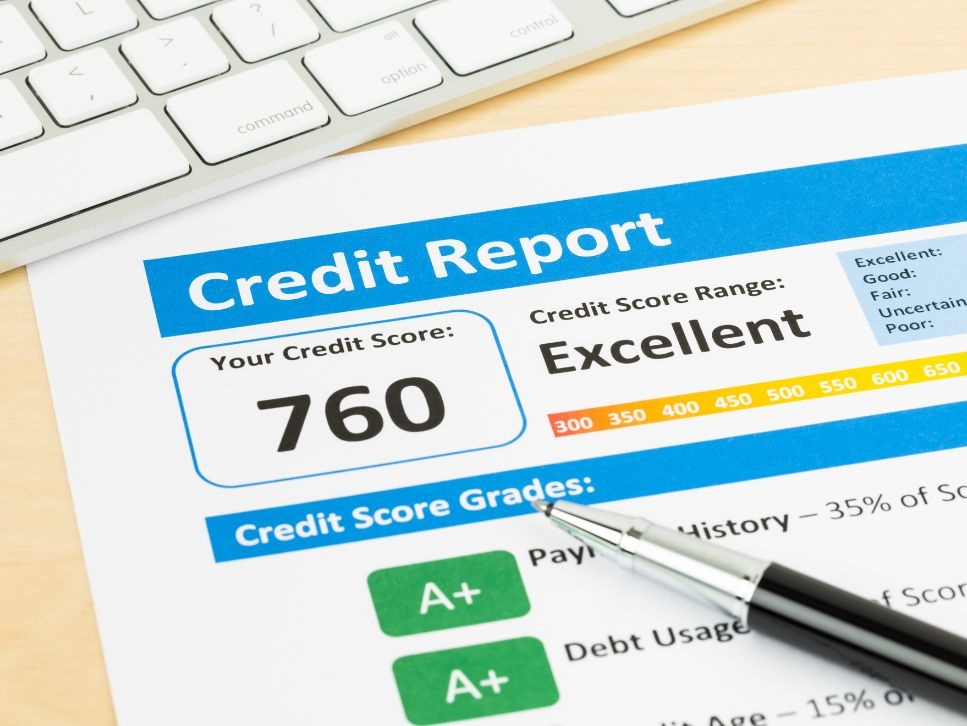
Understanding and managing credit is a vital aspect of financial literacy, significantly impacting major life decisions like buying a car, securing a student loan, or renting an apartment. Your credit report and score are key indicators of your financial reliability, or “creditworthiness,” which potential lenders and other entities will evaluate.
Credit reports, compiled by agencies such as Equifax, Experian, and TransUnion, contain personal and financial data from loan dates to current balances. Credit scores, which generally range from 300 to 850, are determined by organizations like FICO. A higher score can result in better interest rates and a higher probability of loan approval.
Enhancing your credit score can secure more favorable terms for loans, insurance, and even employment opportunities. Timely bill payments are crucial since payment history is a major factor in your FICO score. Additionally, keeping credit card balances low and maintaining a long credit history with well-managed accounts are beneficial. While opening multiple credit lines in a short period can harm your score, having a mix of different types of credit accounts can be advantageous. Consulting a TCPA lawyer can also provide valuable insights into managing credit-related legal issues.
Maintaining good credit is empowering and can significantly aid in achieving financial goals. Regularly reviewing your credit score and taking advantage of free annual credit reports are essential practices for maintaining financial health. For further information and advice on managing and understanding credit, refer to the resource below.

